

0 items £0.00
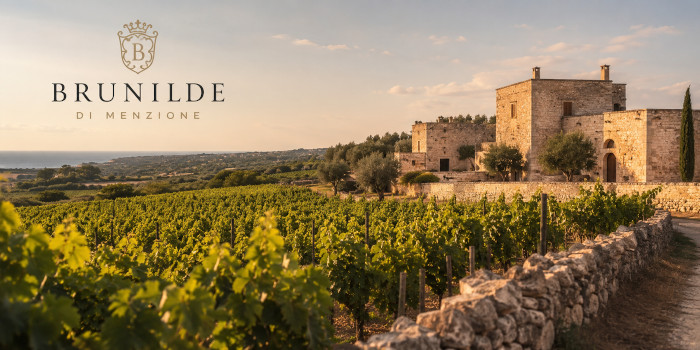
If you already enjoy rich Puglian reds such as Primitivo or Negroamaro but sometimes want greater depth, maturity and refinement, Brunilde di Menzione is particularly worth exploring.
Brunilde doesn't try to move away from the generous fruit and warmth that make southern Italian reds so appealing. Instead, its stronger wines take those familiar characteristics in a more developed direction, with greater concentration, structure and complexity.
That makes Brunilde less about discovering whether you like Puglia and more about deciding whether you want to take a style you already enjoy a step further.
If that already sounds like what you're looking for, our Brunilde di Menzione collection will help you choose between the wines we currently have available.
If you're still deciding, keep reading. We'll explain what makes Brunilde different, what you're getting when you move beyond a simpler Puglian red, and whether Primitivo or Negroamaro is more likely to suit you.
The main difference is not simply more power. It is greater concentration, structure and complexity around the ripe fruit you already enjoy.
An everyday Puglian red may be chosen mainly for generous fruit, softness and immediate drinking pleasure. Brunilde's more ambitious wines keep those qualities, but add more depth, firmer shape and a greater sense of maturity.
That can mean darker and more concentrated fruit, more savoury or spicy detail, smoother but more substantial texture, and a finish that feels longer and more developed.
The result should still feel recognisably Puglian. Brunilde is not trying to turn Primitivo or Negroamaro into something lean or austere; the appeal is that familiar southern warmth is given more structure and refinement.
Merchant's Tip
If you enjoy an everyday Primitivo because it is soft and fruity, moving up should not mean sacrificing those qualities. The question is whether you want the same basic appeal with more depth, structure and complexity.
Brunilde di Menzione is not presented as a single historic estate with one surrounding vineyard. It is a focused range from Schenk Family Italia, built around established Puglian grapes and appellations.
That matters because the appeal of Brunilde comes less from an estate story and more from what the range is designed to do: take familiar southern Italian red-wine styles and present them with greater depth, maturity and polish.
The range concentrates on wines such as Primitivo di Manduria and Salice Salentino, where ripe fruit remains central but is supported by enough structure and development to make the wines feel more substantial than simple everyday examples.
Our current Brunilde range centres on two classic Puglian red-wine directions: Primitivo di Manduria and Salice Salentino.
This is the richer and more fruit-led side of Brunilde. Made from Primitivo and matured in barrique, it combines ripe dark fruit and warming spice with the smoothness, structure and greater depth that extended maturation can bring.
It is the natural direction if softness, richness and concentrated fruit are the qualities you most enjoy in Puglian red wine.
Salice Salentino offers the more savoury and slightly more elegant direction within our Brunilde range. Negroamaro leads the blend, bringing dark fruit and structure, while extended maturation adds greater complexity, with spicy, vanilla and dark-chocolate notes alongside the ripe fruit.
It is particularly worth considering if you like rich southern Italian reds but want more shape and savoury complexity rather than simply greater weight.
We also stock Brunilde Primitivo in a 1.5-litre Magnum. That gives you the same broad Primitivo direction in a larger format suited to sharing, celebrations or the table, rather than creating a separate style of Brunilde wine.
If one of those directions sounds right, our Brunilde di Menzione collection compares the wines we currently have available and helps you choose the right bottle.
Are Brunilde wines sweet?
Brunilde's reds are made as table wines rather than sweet wines, although their ripe fruit and rounded texture can give an impression of sweetness. The Primitivo in particular is deliberately generous and fruit-led, so it can taste softer and sweeter-fruited than a leaner red even though it isn't intended as a sweet wine.
Are Brunilde wines very heavy?
They are certainly towards the fuller-bodied end of Puglian red wine, particularly the Primitivo di Manduria. The aim, however, is not simply maximum weight: structure, savoury detail and maturity help give the richer fruit more shape.
Does Riserva make a difference?
Yes. Riserva indicates that the wine has met the additional ageing requirements of its appellation before release. For the customer, the useful point is that the additional maturation associated with Riserva can bring greater depth, integration and complexity compared with a younger expression of the same style.
Are Brunilde wines heavily oaked?
Oak and maturation can contribute spice, complexity and a smoother, more developed texture, but Brunilde's appeal is not simply about tasting strongly of wood. Ripe Puglian fruit remains at the centre of the wines.
Do I need to drink Brunilde with food?
No. The ripe fruit and smooth texture make the wines enjoyable on their own, particularly if you already like fuller reds. Their extra depth and structure also make them very useful with substantial food.
Is Brunilde worth trying if I already drink Primitivo?
Yes, particularly if you sometimes want more depth and maturity from the style. Brunilde lets you stay with the ripe fruit and generosity you already enjoy while exploring a more developed expression of it.
Brunilde's richer reds are particularly well suited to substantial food. Ripe fruit works with strongly flavoured dishes, while the additional structure and maturity of the wines help them stand up to richer ingredients.
Useful pairings include:
✓ Roast or grilled beef and lamb
✓ Barbecued or slow-cooked pork
✓ Sausages and other richly flavoured meats
✓ Tomato-rich pasta and baked pasta dishes
✓ Mature hard cheeses
Primitivo is particularly useful when a dish benefits from ripe fruit, richness and softness. Salice Salentino moves the balance towards darker fruit and savoury structure, making it a useful alternative when you want the wine to provide a little more contrast to rich food.
If you're starting with the meal rather than the producer, our Puglia food guide can help you choose a wine for your meal.
Why We Stock It
We stock Brunilde because many customers don't want to move away from the rich Puglian reds they already enjoy — they simply want a better, more developed version of that experience.
Brunilde gives us a useful step up for those customers. The wines retain the ripe fruit, warmth and generous texture that make southern Italian reds so popular, while bringing greater depth, structure and maturity.
The range also gives us two genuinely different directions. Primitivo di Manduria is there when richness, concentrated fruit and softness are the priority; Salice Salentino gives us a more savoury and elegant alternative without leaving the fuller Puglian style behind.
That makes Brunilde particularly useful when somebody tells us, “I already like Primitivo — I'd just like something a little more special.”
Our view is that Brunilde makes most sense as a step up rather than a starting point: a range for customers who already know they enjoy generous Puglian reds and now want more depth and maturity.
If that sounds right, our Brunilde di Menzione collection will help you choose between the wines we currently have available.
If Brunilde sounds a little too rich or full-bodied, our Botromagno guide explores a fresher, more structured interpretation of Puglia that may suit you better.
If it is the richer style that appeals but you simply want to explore more possibilities, our Puglia Wine Buying Guide lets you compare the different Puglian producers we stock.