

0 items £0.00
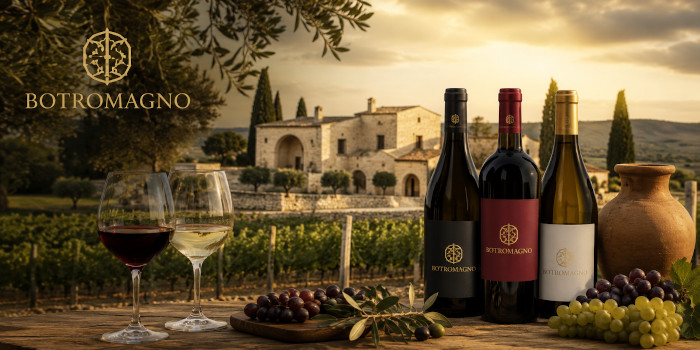
If you enjoy Italian wines with ripe fruit but prefer freshness, structure and regional character to sheer richness, Botromagno is a Puglian producer worth discovering.
Based in Gravina in Puglia, on the limestone plateau of the Alta Murgia, Botromagno works with native grapes including Nero di Troia, Primitivo and Verdeca. Its wines show a different side of Puglia from the very soft, powerful reds for which the region is often best known.
The useful question is therefore not simply whether Botromagno is a good producer. It is:
Does Botromagno's fresher, more structured interpretation of Puglia suit the way you like to drink?
Begin with the flavour and occasion you want rather than trying to understand every grape or label.
| If You Want... | Choose... | Best For... |
|---|---|---|
| A structured, distinctive red | Nero di Troia | Roast meat, tomato sauces, mature cheese and discovering a less familiar grape |
| Riper fruit and a softer texture | Primitivo | Barbecue, pizza, rich meat dishes and relaxed drinking |
| A balanced introduction to the producer | A Primitivo and Nero di Troia blend | Mixed preferences, informal meals and customers new to Puglia |
| A fresh native Puglian white | Verdeca or Gravina Bianco | Seafood, antipasti, chicken, vegetables and warmer weather |
| Something lighter and more refreshing | Rosé or sparkling Verdeca | Aperitifs, salads, seafood and relaxed outdoor drinking |
You will probably enjoy Botromagno wines if you...
✓ Like ripe fruit balanced by freshness
✓ Prefer dry, food-friendly wines to very sweetly fruited styles
✓ Enjoy Italian wines with a clear regional identity
✓ Want to explore Puglia beyond its richest Primitivo wines
✓ Like Rioja, Malbec or structured Italian reds
✓ Enjoy native grapes that are not found everywhere
✓ Value balance and character more than maximum power
Botromagno may be less suited to you if you...
✗ Always want the softest and richest red available
✗ Dislike noticeable tannin or savoury flavours
✗ Prefer heavily oaked wines with prominent vanilla
✗ Mainly drink very light and delicate reds
✗ Want sweetness and concentration to dominate
✗ Prefer internationally familiar grapes to regional discoveries
| Location | Gravina in Puglia, on the Alta Murgia plateau |
| Overall style | Clean, balanced, fresh and food-friendly |
| Important grapes | Nero di Troia, Primitivo, Verdeca, Greco and Malvasia Bianca |
| Historic speciality | Gravina DOC wines |
| Best for | Customers who want regional Puglian character without excessive weight |
| Particular strength | Showing the freshness and variety possible within Puglia |
Botromagno is based in the Alta Murgia, where elevation, limestone soils and cooler air help grapes retain freshness as they ripen.
This matters because warm-climate fruit does not have to produce a heavy wine. Botromagno's reds can offer ripe cherry, plum and blackberry flavours, while acidity and tannin give them shape and make them particularly useful with food.
The producer also places considerable emphasis on native varieties. Rather than making Puglian versions of internationally familiar wines, it allows grapes such as Nero di Troia and Verdeca to show what this part of the region can offer.
Botromagno is particularly worth considering when you want:
✓ Puglian warmth without excessive heaviness
✓ Native grapes rather than standard international varieties
✓ Wines that work naturally with meals
✓ A clear difference between Primitivo and Nero di Troia
✓ Regional character presented in a clean, accessible style
✓ Something less familiar that does not feel difficult
Botromagno is based in Gravina, on the limestone hills of the Alta Murgia. The higher elevation, limestone soils and cooler night temperatures help preserve freshness as the grapes ripen.
For the drinker, that means many Botromagno wines feel fresher, more balanced and more food-friendly than people often expect from warm southern Italy.
✓ A dry and structured red
✓ Cherry, blackberry and plum flavours
✓ Floral, spicy or gently savoury character
✓ More tannin and freshness than a soft Primitivo
✓ A wine particularly suited to substantial food
✓ To discover a genuinely less familiar Puglian grape
Nero di Troia is the more distinctive Botromagno choice. It is particularly suitable for customers who enjoy Rioja, Malbec, Cabernet Sauvignon or structured Italian reds but want something outside their usual selection.
Read Should You Buy Nero di Troia?
✓ Riper and more immediately generous fruit
✓ A softer, rounder texture
✓ Plum, blackberry and dark-cherry flavours
✓ Less tannin and greater ease without food
✓ A red for pizza, barbecue or rich meat dishes
✓ A familiar introduction to Botromagno
Botromagno Primitivo is the safer choice when softness and ripe fruit matter most. Its freshness should prevent it from becoming excessively heavy, while preserving the generous character customers expect from the grape.
Read Should You Buy Primitivo?
Yes. Food friendliness is one of the strongest reasons to choose Botromagno.
Useful pairings include:
✓ Nero di Troia with roast lamb, beef, tomato sauces or mature cheese
✓ Primitivo with barbecue, sausages, pizza or slow-cooked pork
✓ Puglian red blends with pasta, meatballs or roasted vegetables
✓ Verdeca and Gravina Bianco with seafood, antipasti or chicken
✓ Rosé with salads, grilled fish or lighter Mediterranean dishes
The reds have enough fruit for richly flavoured food, while their freshness helps prevent the combination from becoming tiring. The whites offer an alternative for customers who associate Puglia only with powerful red wine.
Read What Food Goes with Puglia Wine?
Are Botromagno wines dry?
Yes. Ripe fruit may make some reds taste generous, but the wines are normally dry.
Are Botromagno wines full-bodied?
The reds are generally medium to full-bodied, although freshness and structure can make them feel less heavy than some southern Italian wines.
Are they smooth?
The Primitivo and red blends are likely to feel softer. Nero di Troia naturally has more tannin and structure, although it should not be harsh when well made.
Are Botromagno wines heavily oaked?
Not necessarily. The producer's identity is based more on grape variety, balance and place than on making every wine taste strongly of oak.
Are they modern or traditional?
Botromagno uses a clean, contemporary approach while concentrating on historic local grapes and the identity of Gravina and the Alta Murgia.
Are they suitable for someone new to Puglia?
Yes. Primitivo offers the easiest starting point, while Nero di Troia provides a natural next step for someone ready to explore further.
Are they good value?
They can be, particularly for customers who value native grapes and regional character. Lesser-known names may offer individuality without the price attached to a famous appellation or international variety.
Can Botromagno wines age?
More structured reds, particularly Nero di Troia, may develop with bottle age. Everyday wines should be enjoyed while their fruit and freshness remain expressive.
Botromagno is particularly useful when you want:
✓ A Puglian wine with freshness as well as ripe fruit
✓ A red for roast meat, pasta or mature cheese
✓ An alternative to very soft, powerful Primitivo
✓ A lesser-known native grape for an interested wine drinker
✓ A producer that offers both familiar and discovery wines
✓ A bottle that encourages conversation without becoming challenging
Botromagno can also be a strong choice for customers who have enjoyed Puglian wine but are ready to discover that the region offers more than one style.
Consider another producer if you want:
✓ Maximum richness and concentration
✓ Very soft reds with minimal tannin
✓ Strong vanilla, chocolate or toasted-oak flavours
✓ A widely recognised flagship bottle for gifting
✓ A very broad range covering numerous price levels
✓ Primarily international grape varieties
Botromagno's strengths are freshness, native grapes and regional identity. Those qualities will matter less to someone whose priority is maximum power, conspicuous oak or a famous label.
Why We Stock It
Botromagno helps us show customers a side of Puglia they might otherwise miss.
Primitivo provides a familiar and approachable starting point, while Nero di Troia offers a genuine step into something less widely known. The difference between the two gives us a useful way to recommend according to taste rather than simply price.
The wines also complement richer Puglian producers rather than duplicating them. A customer who wants softness and concentration has one route; someone who wants freshness, structure and food friendliness has another.
Whether you are looking for a structured Nero di Troia, a generous Primitivo or one of Botromagno's distinctive white wines, the range offers an excellent introduction to a fresher side of Puglia.
Buy Botromagno if you want to discover a fresher, more structured and food-friendly side of Puglia.
Choose Primitivo when you want ripe fruit, softness and immediate appeal.
Choose Nero di Troia when you want greater structure, savoury complexity and something genuinely less familiar.
Look elsewhere if your priority is maximum richness, heavy oak or the softest possible red wine.
Browse all Botromagno wines
Browse all Puglia wines
Read the Puglia Food Pairing Guide
Browse all Botromagno wines
Browse all Puglia wines
View all Puglia Buying Guides
| Should You Buy Boccantino Wines? |
| Should You Buy Brunilde di Menzione Wines? |
| Should You Buy Produttori di Manduria Wines? |