

1 items £44.00
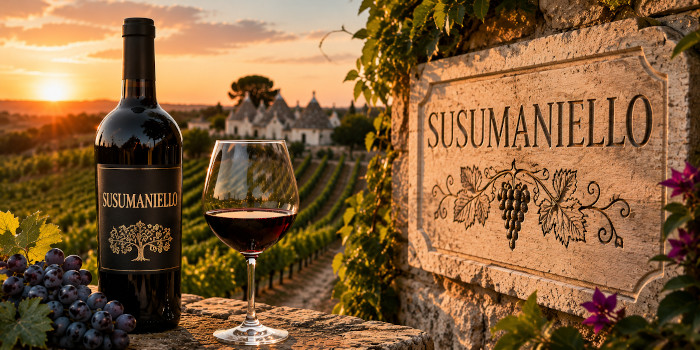
If you enjoy smooth, dark-fruited red wines but would like something fresher and more distinctive than the usual choices, Susumaniello is well worth trying.
It is a particularly approachable way to discover an unfamiliar Italian grape because it feels reassuringly familiar while still offering something genuinely different.
You can expect ripe blackberry, black cherry and plum, balanced by freshness, moderate tannins and a gently savoury edge.
This guide will help you decide whether Susumaniello suits your taste, how it compares with more familiar reds, what makes it distinctive and whether an unfamiliar grape is really much of a gamble.
You will probably enjoy Susumaniello if you...
✓ Like smooth reds with plenty of dark fruit
✓ Want freshness as well as richness
✓ Enjoy some structure without harsh tannins
✓ Like discovering wines that are not widely known
✓ Want something distinctive but not difficult
✓ Already enjoy Primitivo, Malbec, fruitier Rioja or fuller Italian reds
If that sounds like you, Susumaniello is a very promising choice.
If you're interested but still unsure about trying an unfamiliar grape, keep reading. We'll explain why Susumaniello is less of a gamble than its unfamiliar name might suggest, what makes it different and how it compares with wines you may already know.
Merchant's Tip
Susumaniello suits customers who want to try something different without taking a wild gamble. It is unfamiliar by name, but the flavours themselves are generous, balanced and easy to understand.
Typical flavours: Blackberry, black cherry, plum, violet, dried herbs, spice and sometimes liquorice or dark chocolate.
Body: Usually medium to full-bodied.
Tannins: Moderate, often firmer than Primitivo but rarely aggressive in a well-made wine.
Acidity: Usually fresher and more noticeable than in very ripe, soft Puglian reds.
Sweetness: Normally dry.
Good with: Roast lamb, beef, barbecued meat, tomato-based pasta, mushrooms and mature cheese.
Despite being unfamiliar, Susumaniello does not taste strange or challenging.
Many customers assume that an obscure grape must produce an unusual or difficult wine. Susumaniello is usually the opposite: ripe dark fruit makes it approachable, while freshness and gentle structure prevent it from feeling too soft or heavy.
It can therefore feel both familiar and new at the same time.
A Primitivo or Malbec drinker may recognise the generous fruit, but Susumaniello often adds more lift, shape and savoury detail.
That balance is an important part of Susumaniello's identity. It can provide plenty of ripe southern Italian fruit, but its natural freshness and structure help give the wine shape. When blended with a softer, riper grape such as Primitivo, Susumaniello can contribute some of the freshness and definition that keeps the finished wine balanced.
Is Susumaniello smooth?
Usually, yes. Its ripe fruit makes it approachable, although its freshness and moderate tannins can give it slightly more shape than Primitivo.
Is Susumaniello dry?
Usually. Although the ripe blackberry, cherry and plum can make it taste generous and fruity, Susumaniello is normally made as a dry red rather than a sweet wine.
Is Susumaniello fruity?
Very. Blackberry, black cherry and plum are common, often joined by floral, herbal or gently savoury notes. The difference is that its freshness can stop all that ripe fruit from feeling overly soft or heavy.
Is Susumaniello heavy?
Not necessarily. It is usually medium to full-bodied, but its freshness can make it feel livelier and less warming than a particularly rich Primitivo.
Is Susumaniello tannic?
Moderately. There is usually enough tannin to give the wine shape, but well-made examples should not feel aggressively drying.
Is Susumaniello high in alcohol?
It can be relatively full in alcohol, particularly in richer styles, although this varies between wines. Good examples retain enough freshness to keep the alcohol from dominating the wine.
Is Susumaniello good with food?
Yes. Its combination of ripe fruit, acidity and moderate tannin makes it particularly useful with meat, tomato sauces, mushrooms and mature cheese.
Is Susumaniello good value?
It often can be. Because Susumaniello is still relatively unfamiliar, it can be an interesting place to find distinctive Puglian wines without needing to chase one of Italy's better-known grape names. Judge the individual bottle on style, quality and whether it suits what you're looking for.
| If You Usually Drink... | Choose Susumaniello If... | Choose the Other Wine If... |
|---|---|---|
| Primitivo | You want more freshness, shape and savoury detail. | You prefer softer tannins and richer, sweeter-tasting fruit. |
| Negroamaro | You want brighter fruit and a more energetic style. | You prefer a drier, earthier and more savoury finish. |
| Malbec | You want ripe dark fruit with more freshness, structure and savoury detail. | You prefer deeper fruit, softer texture and greater immediate power. |
| Rioja | You want dark fruit and freshness without much obvious oak. | You particularly enjoy the vanilla, cedar and mature flavours of oak-aged Rioja. |
| Shiraz | You want ripe fruit with less pepper and obvious spice. | You enjoy bolder power, smoke and pepper. |
| Pinot Noir | You want more body, darker fruit and greater intensity. | You prefer a lighter, more delicate and red-fruited style. |
Merchant's Tip
Primitivo is usually the safer choice for someone who particularly values softness and ripe fruit. Susumaniello can be a particularly good alternative when you also want freshness, individuality and a little more structure.
If you already enjoy medium to full-bodied red wine, trying Susumaniello is usually a relatively small gamble.
The name may be unfamiliar, but the flavours are not. Blackberry, black cherry and plum provide an immediately recognisable core, while the grape's freshness and moderate structure give you something genuinely different from softer reds such as Primitivo.
That makes Susumaniello particularly interesting if you want to move beyond familiar grapes such as Primitivo or Malbec without making a dramatic change in the kind of wine you enjoy.
Susumaniello's combination of ripe fruit, freshness and structure allows it to work in several different styles. Understanding them can help you recognise which side of the grape is most likely to appeal to you.
In its younger, fruitier form, Susumaniello emphasises blackberry, black cherry and plum, with freshness helping to keep the wine lively. These wines can be an approachable introduction if you want to discover the grape through its fruitier side, and work particularly well with pizza, pasta and informal meals.
Richer examples bring greater concentration, body and tannin while retaining the freshness that helps distinguish Susumaniello from softer Puglian reds. This is a particularly good direction if you enjoy fuller wines with lamb, beef or barbecued meat but still want some lift and definition.
Oak can add spice, vanilla, cedar, tobacco or chocolate notes and give Susumaniello a more polished, developed character. The best examples retain the grape's dark fruit and freshness rather than allowing the oak to dominate, making this style well suited to longer meals or occasions when you want greater complexity.
Susumaniello can also make fresh, characterful rosato, combining red-fruit flavour with lively acidity and often more presence than very pale, delicate rosé styles. It can be a useful food wine with antipasti, grilled fish, pizza and summer meals, as well as a completely different way to discover the grape.
We do not currently have a Susumaniello rosato in our range, but it is a useful style to know about when exploring the grape more widely.
Merchant's Tip
For a first bottle, a fresh or moderately rich red usually gives you the clearest introduction to Susumaniello's combination of ripe dark fruit, freshness and structure. Oak-aged examples are worth considering when you want more spice and complexity.
If one of those red styles sounds right, our Susumaniello collection shows the wines we currently have available and the differences between them.
Sometimes — but only if the extra complexity is something you actually want.
Less expensive Susumaniello can be very appealing when it concentrates on ripe dark fruit, freshness and easy drinkability. As producers aim for greater concentration and complexity, you may find more structure, longer maturation, greater use of oak and additional flavours such as spice, tobacco, chocolate or dried herbs.
A more complex bottle may therefore be the better choice when you want greater concentration, a longer finish or a wine to accompany a substantial meal. For pizza, pasta or relaxed everyday drinking, a younger and more fruit-led style may be every bit as appropriate.
Merchant's Tip
Don't spend more simply because you assume the wine will be better. Spend more when you want the extra structure, maturity or complexity that the more developed style is intended to provide.
Susumaniello is a very useful food wine because it combines ripe fruit with enough freshness and structure to stand up to strongly flavoured dishes.
Particularly good matches include:
✓ Roast lamb
✓ Beef and steak
✓ Barbecued meat
✓ Pork ribs
✓ Sausages
✓ Tomato-based pasta
✓ Pizza
✓ Aubergine and peppers
✓ Mushrooms
✓ Mature cheeses
The ripe fruit works particularly well with grilled and barbecued flavours, while the wine's freshness helps prevent rich dishes from making it feel too soft or heavy.
Susumaniello is less naturally suited to delicate fish, very light salads or dishes that need a particularly crisp, neutral wine.
Merchant's Tip
Susumaniello is particularly useful when the food needs a wine with plenty of flavour, but a very rich Primitivo might feel a little too soft or heavy.
If you're starting with the food rather than the grape, our Puglia food guide can help you choose a wine for your meal.
Choose Susumaniello if you enjoy ripe, dark-fruited reds but want more freshness, shape and individuality than you might find in a particularly soft Primitivo.
It is especially worth considering if you already enjoy Primitivo, Malbec or fruitier Rioja and would like to try something less familiar without moving too far from the kind of red wine you already enjoy. Its combination of blackberry and plum fruit, freshness, moderate tannins and savoury detail makes it distinctive without making it difficult.
If Susumaniello sounds a little firmer or less familiar than you want, Primitivo may suit you better, particularly if softness and ripe fruit are your priorities.
If you would prefer something drier, earthier and more traditionally savoury, our Negroamaro guide may point you in a better direction.
If Susumaniello sounds right, you can choose from our Susumaniello wines.
| Should You Buy Boccantino Wines? |
| Should You Buy Brunilde di Menzione Wines? |
| Should You Buy Produttori di Manduria Wines? |