

1 items £44.00
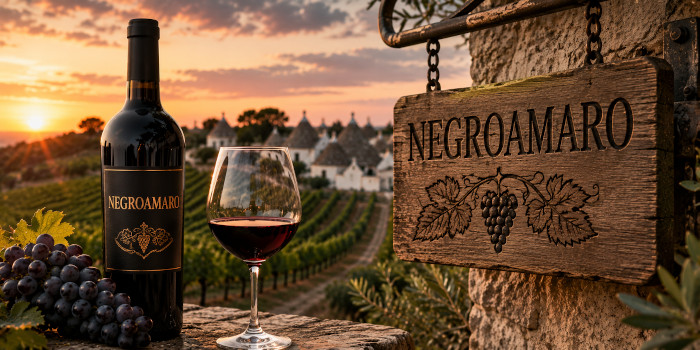
If you enjoy dry, dark-fruited red wines with herbs, spice and a savoury finish, Negroamaro could be exactly your kind of wine.
It offers ripe blackberry, plum and black-cherry flavours, but usually feels less soft and fruit-led than Primitivo. Its firmer shape, Mediterranean herbs and drier finish make it particularly rewarding with food.
This guide will help you decide whether Negroamaro suits your taste, how it compares with more familiar reds and which style of Negroamaro is most likely to suit you.
You will probably enjoy Negroamaro if you...
✓ Prefer dry reds to sweetly fruited ones
✓ Enjoy blackberry, black cherry and plum flavours
✓ Like herbs, spice, liquorice or earthy notes
✓ Want noticeable structure without aggressive tannins
✓ Usually drink red wine with food
✓ Enjoy savoury Rioja, structured Malbec, Chianti or less peppery Shiraz
If that sounds like you, Negroamaro is a very good style to explore.
If you're interested but not quite sure yet, keep reading. We'll explain what Negroamaro tastes like, how it compares with other reds and which style might suit you best.
Merchant's Tip
Primitivo often wins people over immediately with softness and ripe fruit. Negroamaro tends to become more convincing as it opens in the glass and begins to work with the meal.
Typical flavours: Blackberry, black cherry, plum, dried herbs, liquorice, spice and sometimes black olive or dark chocolate.
Body: Usually medium to full-bodied.
Tannins: Moderate, giving the wine structure without necessarily making it harsh.
Acidity: Usually sufficient to keep the wine balanced and food-friendly.
Sweetness: Normally dry.
Best for: Lamb, beef, sausages, tomato-based pasta, pizza, aubergine dishes, barbecues and mature cheese.
Negroamaro is often more balanced and approachable than its dark name and rustic reputation suggest.
The name is sometimes interpreted as meaning “black bitter”, which can make first-time buyers expect an aggressively bitter or severe wine. The name is more commonly linked to words meaning dark or black, however, and the wines themselves need not be bitter. Many modern examples combine ripe dark fruit with moderate tannins, fresh acidity and only a gentle savoury or bitter edge.
That bitterness, where it appears, is usually closer to black olive, dark chocolate, liquorice or grape skin than anything unpleasant.
Negroamaro can still be robust, particularly in richer or mature examples, but it does not have to feel heavy or severe.
Merchant's Tip
Customers who find some warm-climate reds too soft, sweet-tasting or jammy often appreciate Negroamaro because its savoury finish gives the wine greater definition.
Is Negroamaro smooth?
Usually, although it generally has more grip and structure than a very soft red such as Primitivo.
Is Negroamaro dry?
Usually. Its herbs, tannins and savoury finish can make it feel particularly dry.
Is Negroamaro fruity?
Yes, but fruit is only part of the character. Expect blackberry, black cherry and plum alongside herbs, spice and savoury flavours.
Is Negroamaro heavy?
Not necessarily. It is usually medium to full-bodied, but fresher examples can remain lively and balanced.
Is Negroamaro tannic?
Moderately. It normally has enough tannin to give the wine shape without becoming aggressively dry.
Is Negroamaro bitter?
It can have a gentle bitter edge, usually closer to dark chocolate, black olive or grape skin than unpleasant bitterness.
Is Negroamaro high in alcohol?
It can be, particularly in richer examples, although good wines should retain enough freshness to stay balanced.
Is Negroamaro good with food?
Very. Its dryness, acidity, herbs and structure make food one of the grape's great strengths.
| If You Usually Drink... | Choose Negroamaro If... | Choose the Other Wine If... |
|---|---|---|
| Primitivo | You want a drier finish, more savoury character and greater structure. | You prefer softer tannins and richer, sweeter-tasting fruit. |
| Susumaniello | You want a more settled, earthy and traditionally food-friendly red. | You prefer brighter fruit, livelier freshness and a less familiar style. |
| Rioja | You enjoy dryness and spice but want warmer Mediterranean fruit and less obvious oak. | You particularly value vanilla, cedar and mature oak-aged flavours. |
| Malbec | You want dark fruit with more herbs, freshness and savoury complexity. | You prefer fuller fruit, softer texture and greater immediate richness. |
| Shiraz | You want richness with less pepper, sweetness or obvious power. | You enjoy bold pepper, smoke and a more forceful style. |
| Sangiovese or Chianti | You want darker fruit, more body and a warmer Mediterranean character. | You prefer brighter acidity, red fruit and a leaner structure. |
Merchant's Tip
Negroamaro is often a particularly good Puglian choice for someone who wants ripe fruit but does not want fruit to be the only thing they taste.
Negroamaro can range from fresh, fruit-led reds to richer, more mature wines, as well as dry rosé. Knowing which direction appeals to you can make choosing much easier.
Choose this direction if you want ripe cherry, blackberry and plum, relatively little oak and a fresh, dry finish. These wines can be a particularly approachable introduction to Negroamaro and work particularly well with pizza, pasta and everyday meals.
Choose this direction if you want darker fruit, more herbs and spice, greater structure and a fuller feel. This is where Negroamaro's combination of ripe Mediterranean fruit and dry savoury character can become particularly distinctive.
Choose this direction if you want greater depth and complexity, with flavours such as cedar, tobacco, leather or sweet spice alongside the fruit. These wines can be particularly rewarding with slow-cooked meat, mature cheese or a longer meal.
If one of those red styles sounds right, our Negroamaro collection compares the bottles we currently have available and helps you narrow the choice.
Choose a Negroamaro from our range
Negroamaro can also produce dry rosé with red-fruit flavour, useful acidity and more substance than many very pale styles. It can be a good choice with antipasti, grilled fish, pizza and summer meals.
We do not currently have a Negroamaro rosato in our range, but it is a useful style to know about when exploring the grape more widely.
Merchant's Tip
Begin with a fresh or moderately rich red Negroamaro. Move towards mature, oak-aged styles once you know that you enjoy the grape's savoury character.
Spending more can add depth, balance and complexity, but a premium Negroamaro is not automatically the best bottle for every occasion.
An everyday version may be ideal when you want fresh fruit and straightforward drinking. A more complex bottle may be the better choice when you want greater concentration, better integration of fruit and tannin, mature savoury flavours or a wine capable of standing beside richer food.
Spend more when you want:
✓ Greater depth and persistence
✓ More layered herbs, spice and mature flavours
✓ Better balance between fruit, tannin and acidity
✓ A wine for richer food
✓ A bottle for a long meal or special occasion
Choose a simpler bottle when you want:
✓ Fresh fruit and easy drinking
✓ A wine for pizza or pasta
✓ Less oak and savoury maturity
✓ A straightforward introduction to the grape
Do not assume that spending more automatically means greater enjoyment. A mature, savoury Negroamaro can be more complex, but a fresher everyday bottle may be exactly right when you simply want an approachable red with dinner.
If you know how much richness and complexity you're looking for, our Negroamaro collection can help you choose the bottle that best fits.
Choose from our Negroamaro wines
Negroamaro is one of Puglia's most naturally food-friendly red grapes. Its dark fruit matches rich dishes, while its dryness, acidity and savoury character stop the combination becoming too heavy.
Good pairings include:
✓ Roast or grilled lamb
✓ Beef, steak and slow-cooked meat
✓ Sausages and barbecued pork
✓ Tomato-based pasta sauces
✓ Pizza with meat, mushrooms or olives
✓ Aubergine parmigiana
✓ Mushroom and lentil dishes
✓ Charcuterie
✓ Mature hard cheeses
The grape's herbal character can work particularly well with rosemary, oregano, thyme, tomato and grilled vegetables.
Negroamaro is less naturally suited to delicate fish, very light salads or dishes that require a crisp and neutral wine.
Merchant's Tip
Negroamaro can seem slightly reserved when tasted quickly on its own. Give it a meal and fifteen or twenty minutes in the glass, and its fruit, herbs and structure often come together beautifully.
Choose a Puglia wine for your meal
Choose Negroamaro if you want a dry, dark-fruited red with herbs, spice and enough structure to work particularly well with food.
It is especially suitable for drinkers who enjoy savoury Rioja, structured Malbec, Chianti, Mediterranean blends or reds that reveal more as the meal progresses.
If Negroamaro sounds too dry or savoury for you, Primitivo offers a softer, riper and more immediately fruit-led alternative. If you want brighter fruit, greater freshness and something less familiar, try Susumaniello.
| Should You Buy Boccantino Wines? |
| Should You Buy Brunilde di Menzione Wines? |
| Should You Buy Produttori di Manduria Wines? |